“Let all bitterness, and wrath, and anger, and clamour, and evil speaking, be put away from you, with all malice: And be ye kind one to another, tenderhearted, forgiving one another, even as God for Christ’s sake hath forgiven you.” Ephesians 4: 31-32
Have you ever held a grudge? Like really held one. A grudge so deep that you don’t speak to a person, speak kind of a person, think a negative thought every time you hear their name or see something they post on social media? Have you ever caught yourself really liking something you read on Facebook and almost liked it or shared it until you saw who the original poster was and then you have to walk away because you’re just not dealing with them or their “foolishness”? Oh, it’s just me? Ok, I admit, I am good for holding a grudge. Crossing me takes a little bit of work so if I’ve placed you in the category of “I just don’t deal with them” it’s usually because I honestly can’t without being reminded of the hurt that was caused by them. Sometimes, I still get Angry.
Grudges, for all the negative connotation they get, are a defense mechanism put in place to protect our emotions. We are still hurt by what a person did or said and the only way we can respond to that is by putting up walls to keep us from being hurt by them again. Sometimes it’s embarrassment for having fallen for something you think you shouldn’t have, or for trusting someone who proved not to be trustworthy. Sometimes it’s sadness for the loss of a friendship or partnership that you were counting on. Whatever emotions are being compromised, in true Anger fashion, Anger swoops in to put distance between you and the offense.
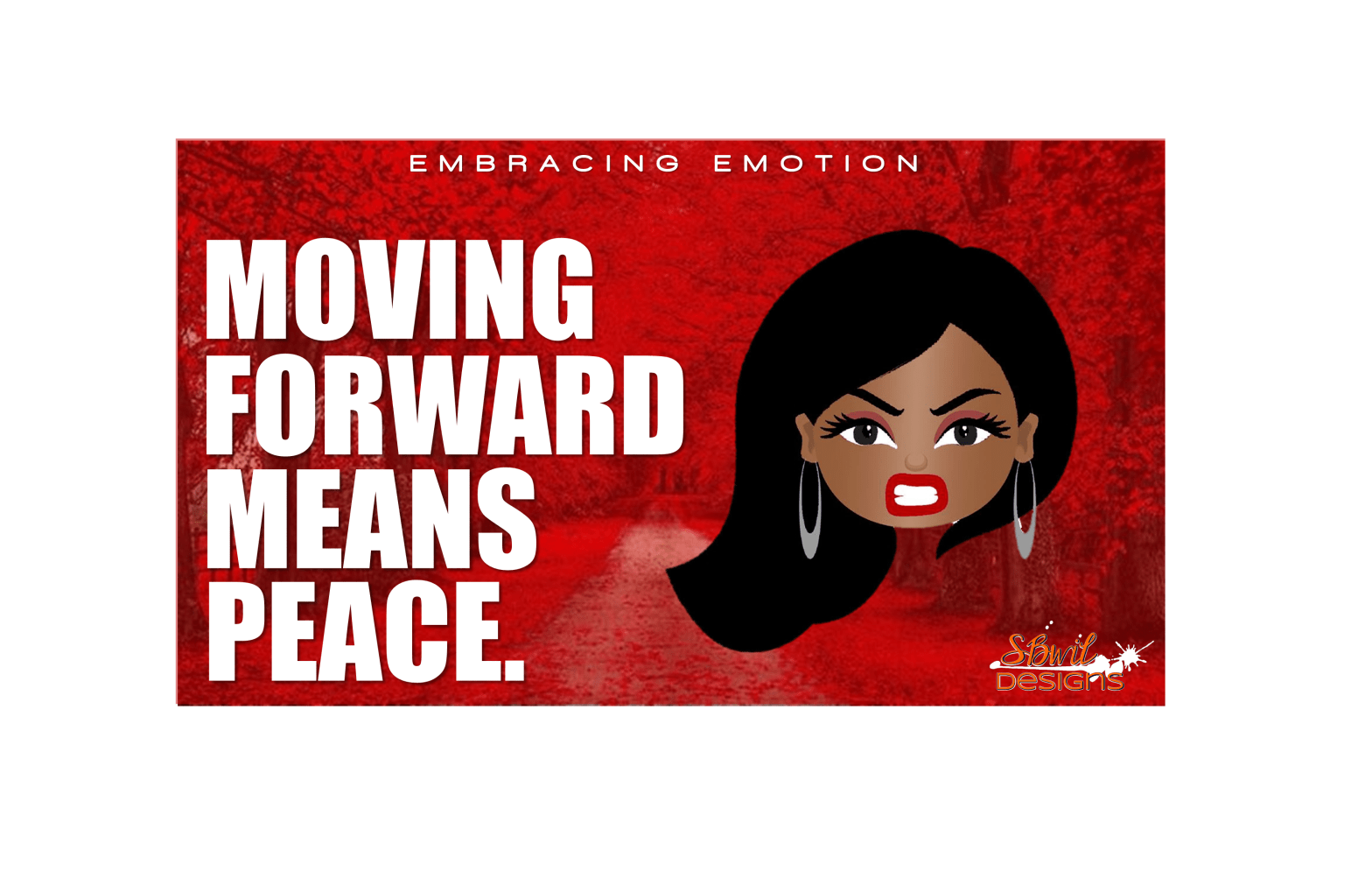
And then comes the question we’ve all heard before when it comes to this: “well what about forgiveness? Have you forgiven them?” That’s not always so easy. Forgiveness means you’ve stopped feeling angry or resentful towards someone for an offense, flaw, or mistake, and forgiveness takes TIME. Depending on who the offender is and what the offense was, it’s not so cut and dry as “I forgive you” and moving forward. But that is the goal: Moving Forward. No matter what has happened, the only way to return to a peaceful state in your life is to move forward. But how do you do that when the hurt you feel is real?
The bible tells us to “let all bitterness, and wrath, and anger, and clamour, and evil speaking, be put away from you, with all malice: And be ye kind one to another, tenderhearted, forgiving one another, even as God for Christ’s sake hath forgiven you.” (Ephesians 4:31-32) God wants us to move forward, and He gives us the best example to hopefully make that a little easier: Himself. Think about the way you’ve treated God throughout your life. If I think about my own spiritual journey there have been times where I didn’t trust Him, where I didn’t hold up my end of the bargain, where I misused His name and walked away from the covenant I have with Him. But when I see the error of my ways and come back home, His arms are always open wide and ready for me to return. He’s not sitting around bad mouthing me, or refusing to talk to me when I speak to Him because He’s angry. And let’s be clear, God DEFINITELY gets Angry with us. When we cross Him, He’s not sitting around smiling and saying “awwww, it’s ok.” He gets upset, just like we do, but He doesn’t hold on to that Anger. He moves on into the best example of forgiveness and wants us to do the same.
So how do we do it? How do we make forgiving and moving forward easier? I’ll give it to you in 3 steps. Step 1: remember we’re all human and we do things for a reason. Whatever the other person did to you, they did it for a reason. It doesn’t make it right or ok, but they thought it was something they should do and people don’t always make the best choices. We make mistakes and don’t always know how to recover from those mistakes. Remember that the other person made a mistake, whether they meant to or not, whether they admit it or not, they messed up. Step 2: limited interaction might be the best reaction. Forgiving a person doesn’t mean you have to go back to the way things used to be. Sometimes relationships need to end, or change, and that is ok. If you need to take your distance from them in order to not harbor Anger, then that’s a good way to move forward. But remember, distancing yourself from a person means distancing yourself from thoughts about them as well. Just because you don’t talk to them, talking about them isn’t any better for your wellbeing. Limit the physical AND mental interaction. And step 3: the act of forgiving is more for you than for them. At the end of the day, when you fail to forgive YOU are the person holding on to the negativity at that point. The person who wronged you may or may not even be thinking about you and what can you do about it anyway? Nothing. Because you can’t control other people. But for your own peace of mind, let Anger take a break and find a more positive emotion to sit in.
So 3 steps: 1, people do everything for a reason, even making mistakes. 2, limited physical and mental interaction can be the best reaction. And 3, forgive for your own sake, not theirs. If you can hold on to these 3 principles and enact on them, Moving Forward becomes an action and not just a fleeting thought.
 EMBRACING EMOTION: THE BLOG